
Shandong Baowei Poultry Waxing Tank – Double-Row Waxing Tank
- Commodity name: Shandong Baowei Poultry Waxing Tank – Double-Row Waxing Tank
- Detailed description
-
# Poultry Waxing Tanks – Double-Row Waxing Tanks: A Precision Depilation Solution for Poultry Slaughtering and Processing
In the poultry slaughter and processing industry chain, the efficiency and quality of the plucking stage directly affect the product’s added value and market competitiveness. Although traditional mechanical plucking can remove most feathers, it has limited effectiveness in thoroughly removing fine down feathers as well as residual feathers from areas such as the neck and armpits. The double-row wax-immersion tank, as a core piece of equipment in modern poultry slaughter lines, uses physical adhesion and low-temperature solidification technology to efficiently strip even the smallest down feathers, making it a crucial tool for enhancing product cleanliness.
## I. Structural Design of the Double-Row Wax-Immersing Tank: Functional Zoning and Process Coordination
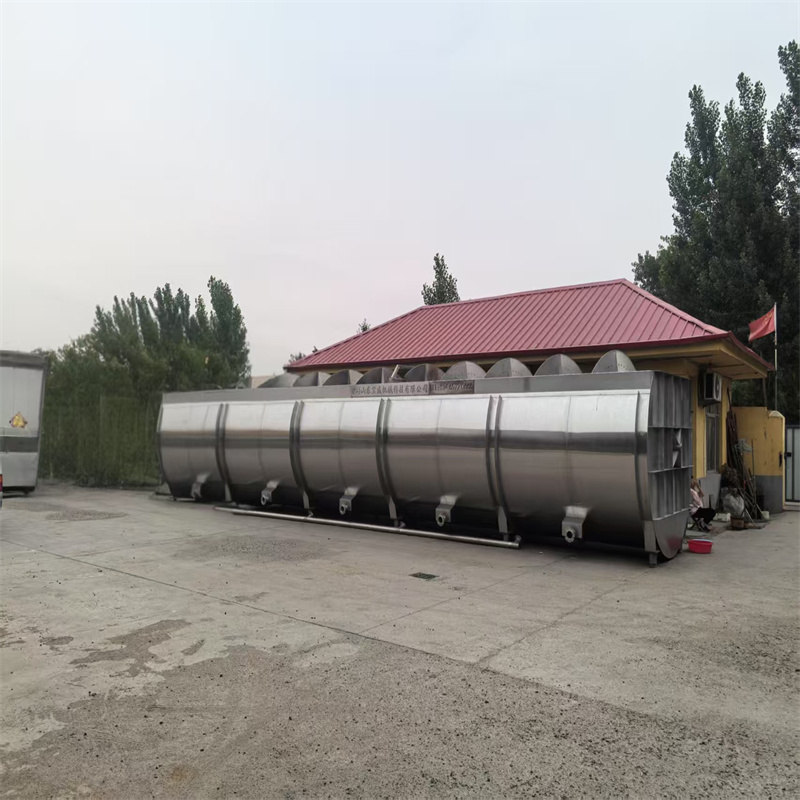
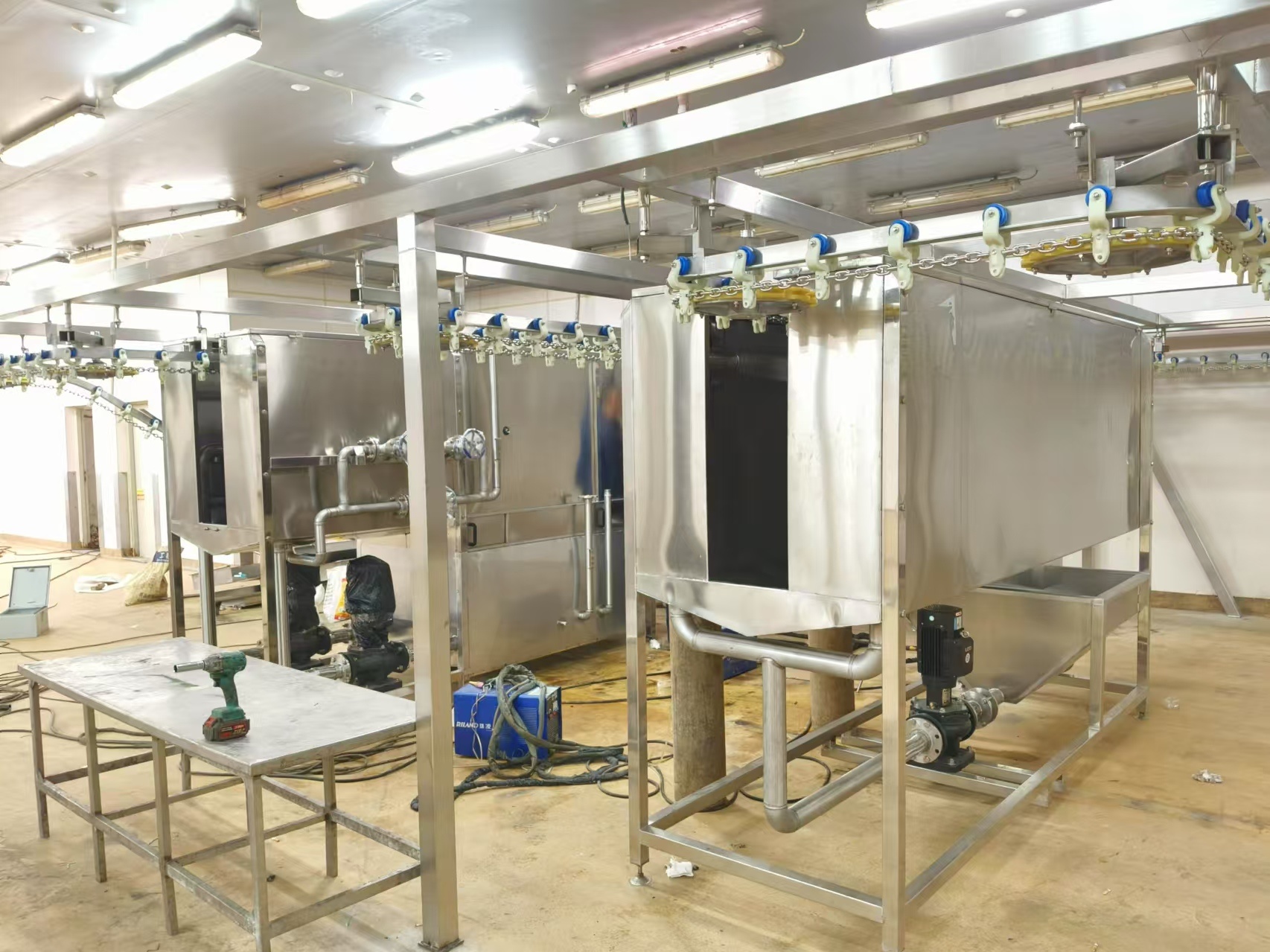
The double-row wax-dipping tank features a modular design and consists of a wax-melting tank, a wax-dipping tank, an insulation layer, and a heating system. The main body of the equipment is typically made from 304 stainless steel, which offers high-temperature resistance and corrosion resistance, meeting food-grade hygiene standards. Its core innovation lies in its double-row layout: the left side houses the wax-melting tank, while the right side accommodates the wax-dipping tank. The two sections are connected by an adjustable window in the middle, forming a closed-loop system that enables “wax melting—wax transfer—wax dipping.”
Take the double-row wax-dipping tank produced by Hao Kai Machinery in Zhucheng City as an example: The bottom of the wax-melting tank is equipped with steam-heating tubes, which use high-temperature steam to melt solid wax blocks into a liquid state at 75℃ ± 2℃. The liquid wax flows evenly into the dipping tank through overflow windows in the intermediate partition, ensuring stable wax-liquid temperature. The depth of the dipping tank is designed to be 60–80 centimeters, allowing poultry to be fully immersed. The tank walls feature an inclined structure, facilitating the smooth operation of the suspended conveyor chain for poultry handling. The outer insulation layer is made using polyurethane foam technology, with a heat-loss rate below 15% and energy savings of more than 30% compared to conventional equipment.
## II. Process Flow: Deep Hair Removal Achieved Through Three Cycles
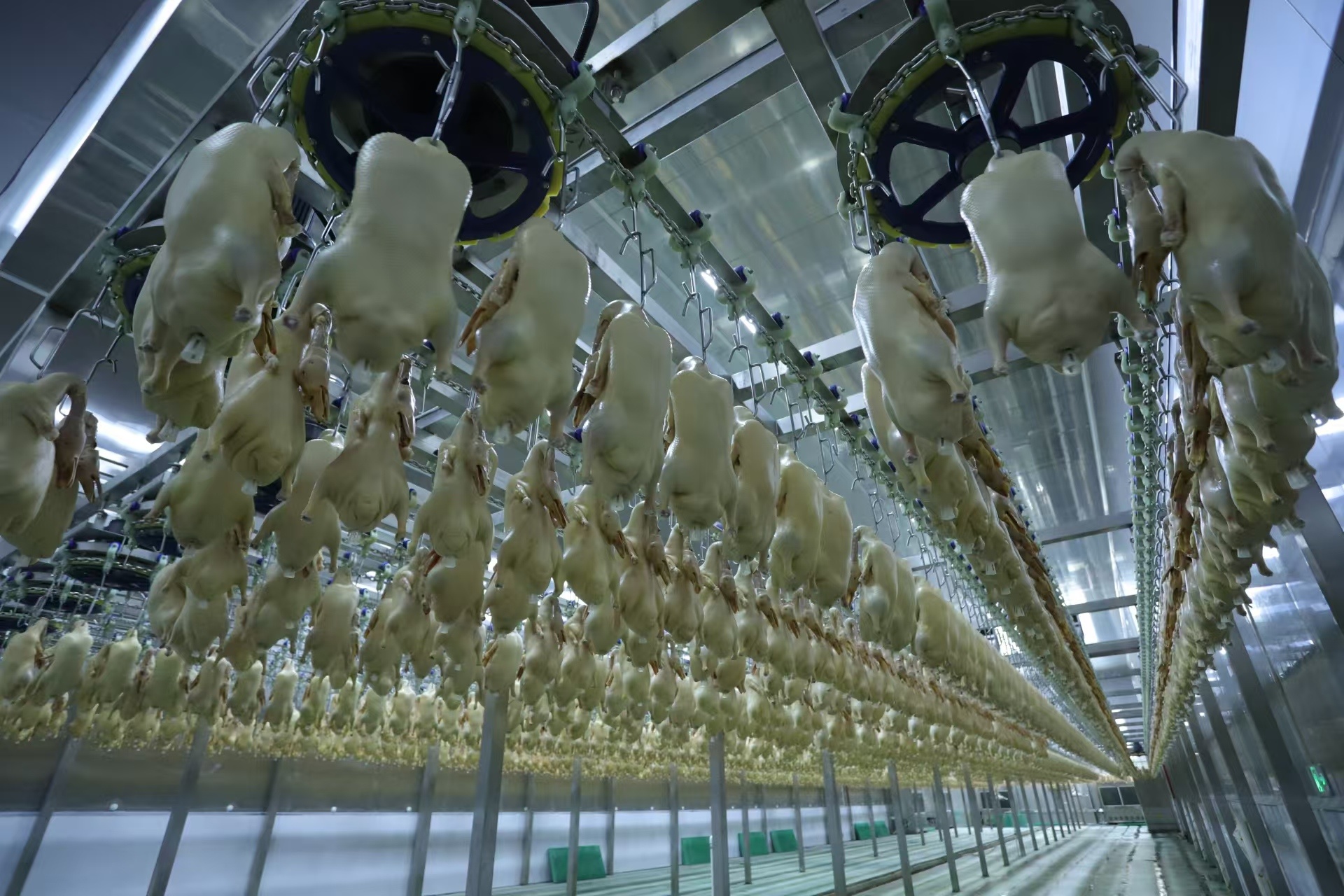
The hair removal process in the double-row waxing tank follows a three-stage cyclic pattern of “wax immersion—cooling—wax stripping.” Taking meat duck processing as an example:
1. **First Waxing Immersion**: After hair removal, the meat ducks are conveyed via a hanging conveyor chain into a wax-immersion tank. At a temperature of 75℃, the liquid wax evenly coats the carcasses, adhering to fine down and skin flakes. During this stage, the wax-liquid temperature must be strictly maintained between 73℃ and 77℃. If the temperature is too high, it may cause burns on the carcasses; if it’s too low, the wax layer will become excessively thick, affecting subsequent stripping operations.
2. **Cooling and Solidification**: After wax immersion, the meat ducks are transferred to a cold-water tank, where the water temperature is maintained at 18–22℃. Within 30 seconds, the liquid wax solidifies into a wax shell that is 0.5–1 millimeter thick. The cooling rate directly affects the depilation outcome—rapid cooling enables the wax shell to form a firm bond with the down feathers, making subsequent removal easier.
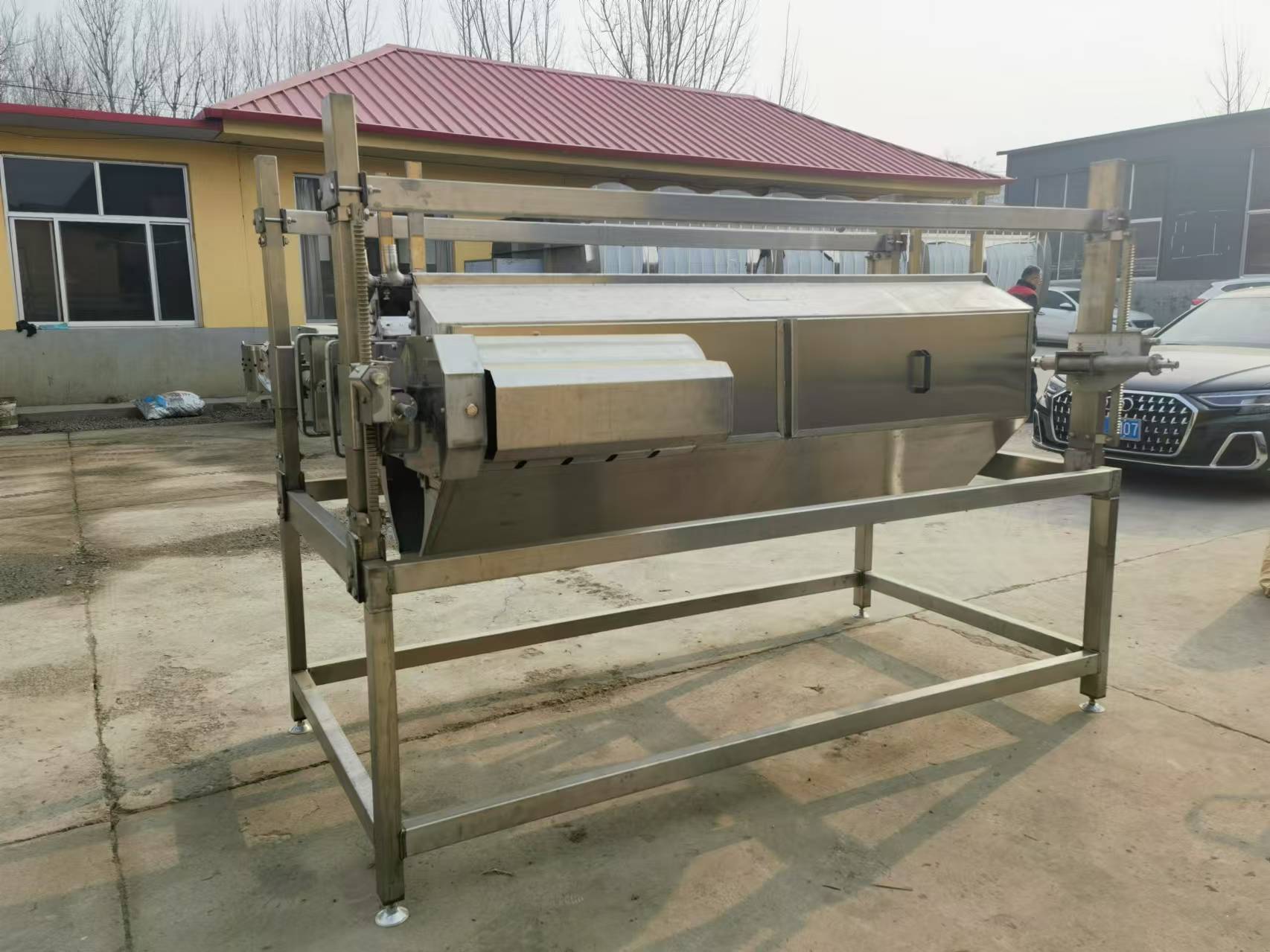
3. **Wax Removal Process**: The wax shell is removed manually or mechanically, causing fine vellus hairs to come loose along with the wax layer. Testing has shown that a single wax removal session can remove more than 90% of residual vellus hairs; however, areas with folds, such as the neck and armpits, still require a second treatment.
To meet food-grade cleanliness standards, the high-end production line employs a three-stage recycling process: poultry undergoes three successive cycles of wax immersion, cooling, and wax removal. With each cycle, the temperature of the wax solution decreases by 5°C, ultimately reducing the residual down on the carcass surface to less than 0.5 hairs per square centimeter—thus satisfying the hygiene requirements for export to the European Union.
## III. Technological Advantages: A Triple Breakthrough in Efficiency, Cost, and Environmental Protection
1. **Increased Efficiency**: The dual-row design enables wax melting and wax dipping to occur simultaneously, boosting production capacity by 40% compared to single-row equipment. Taking a processing line that handles 5,000 meat ducks per day as an example, a dual-row wax-dipping tank can reduce the depilation process time from 4 hours to 2.5 hours, while cutting labor costs by 60%.
2. **Cost Optimization**: The equipment is equipped with an intelligent temperature-control system that automatically adjusts the heating power based on wax liquid consumption, achieving a 25% energy savings compared to conventional equipment. The wax liquid can be reused more than 50 times, and the cost of wax consumption per poultry item is only 0.03 yuan.
3. **Environmental Compliance**: The cooled wastewater, after sedimentation and filtration, can be recycled. Waste wax is recovered through centrifugal separation technology, achieving a wax recovery rate of over 95%. The equipment operates at a noise level below 65 decibels, complying with the "Environmental Noise Emission Standards for Industrial Enterprise Boundaries."
## IV. Application Scenarios and Customized Services
Double-row waxing tanks have been widely adopted in the processing of poultry such as ducks, geese, and laying hens. For enterprises of different sizes, the equipment offers modular customization services:
- Small-scale slaughterhouse: Equipped with a compact unit measuring 1.2 m × 0.8 m × 0.8 m, featuring electric heating power of 12 kW and a daily processing capacity of 500 to 1,000 animals.
- Large-scale processing enterprise: Customized production line equipment measuring 3 m × 1.5 m × 1.2 m, with a steam heating power of 24 kW. This equipment can be integrated into a fully automated production line together with an automatic waxing machine and a wax-peeling machine, capable of processing over 10,000 items per day.
Some enterprises have also developed an integrated “waxing-dehairing-precooling” device. By optimizing the sequence of operations, they’ve reduced the time required to process poultry—from waxing to precooling—to just 8 minutes, further enhancing the efficiency of the entire industrial chain.
## V. Industry Trends: Intelligent and Green Upgrades
With the penetration of Industry 4.0 technologies, double-row wax-dipping tanks are evolving toward intelligent operation. Some companies have already developed equipment equipped with IoT sensors that can monitor wax liquid temperature, liquid level height, and equipment operating status in real time, and enable remote fault diagnosis via cloud platforms. In the field of green manufacturing, the application of new bio-based wax materials has reduced waste wax disposal costs by 40%, providing a new pathway for the industry’s sustainable development.
From manual wax immersion to automated production lines, the evolution of the double-row wax-immersion tank reflects the poultry processing industry’s relentless pursuit of efficiency and quality. In today’s world, where food safety standards are becoming increasingly stringent, this equipment—with its precision, efficiency, and environmental friendliness—is emerging as a key driver in upgrading the industry.
Key words:
Shandong Baowei Poultry Waxing Tank – Double-Row Waxing Tank
Get Quote


Company Address:
Huangtuan Industrial Park, Renmin East Road, Zhucheng City, Shandong Province
Phone website