
Shandong Baowei Vacuum Lung Suction Device
- Commodity name: Shandong Baowei Vacuum Lung Suction Device
- Detailed description
-
Baowei Vacuum Lung Extractor: A Game-Changer in the Poultry Slaughtering Industry
In the modern poultry slaughter industry chain, vacuum lung extractors—thanks to their efficiency and hygienic features—have become crucial equipment for enhancing production efficiency and product quality. From traditional manual evisceration to mechanized, automated operations, this technological innovation not only addresses longstanding industry challenges but also propels slaughter and processing toward standardization and intelligentization.
Baowei Vacuum Lung Suction Machine: Technical Principles and Core Structure
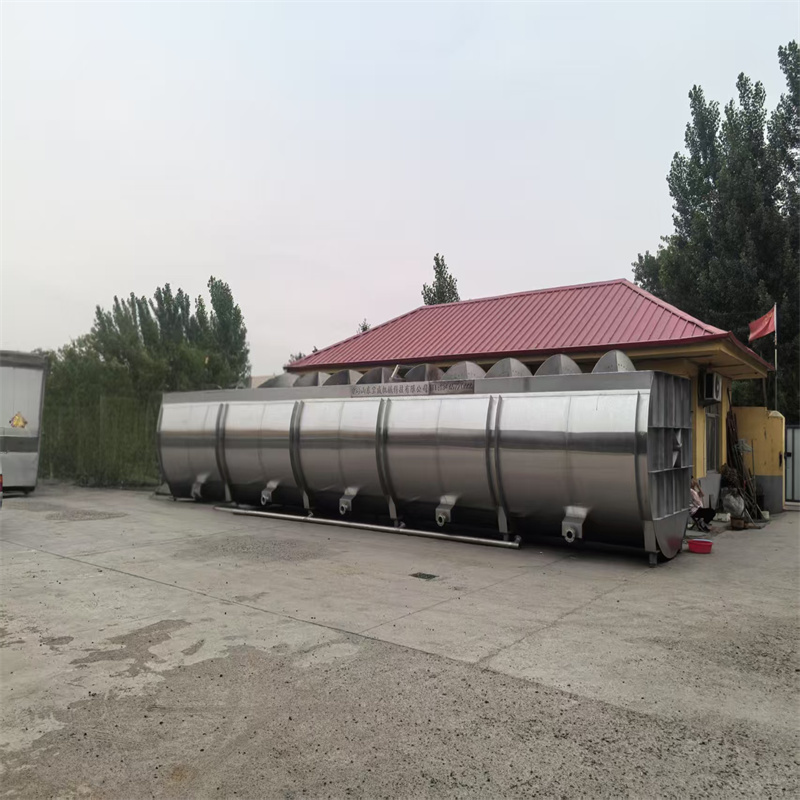
The core principle of the vacuum lung extractor is based on negative-pressure adsorption technology. A vacuum pump extracts air from inside the tank, creating a vacuum environment. The suction force generated by the pressure difference between the inside and outside precisely separates the poultry viscera. The main components of the device include a vacuum pump system, a pressure stabilization unit, a separation tank, an electrical control box, and a pneumatic circuit. Specifically, the water-cycle vacuum pump continuously evacuates air to maintain the negative pressure within the tank, while the pressure stabilization tube ensures that pressure fluctuations remain within a range of ±0.001 MPa, thereby guaranteeing operational stability. The separation tank is made of 304 stainless steel and its capacity can be customized according to production line requirements; it can hold up to 200 liters of visceral residues at maximum and is equipped with a drain valve at the bottom for quick and easy cleaning.
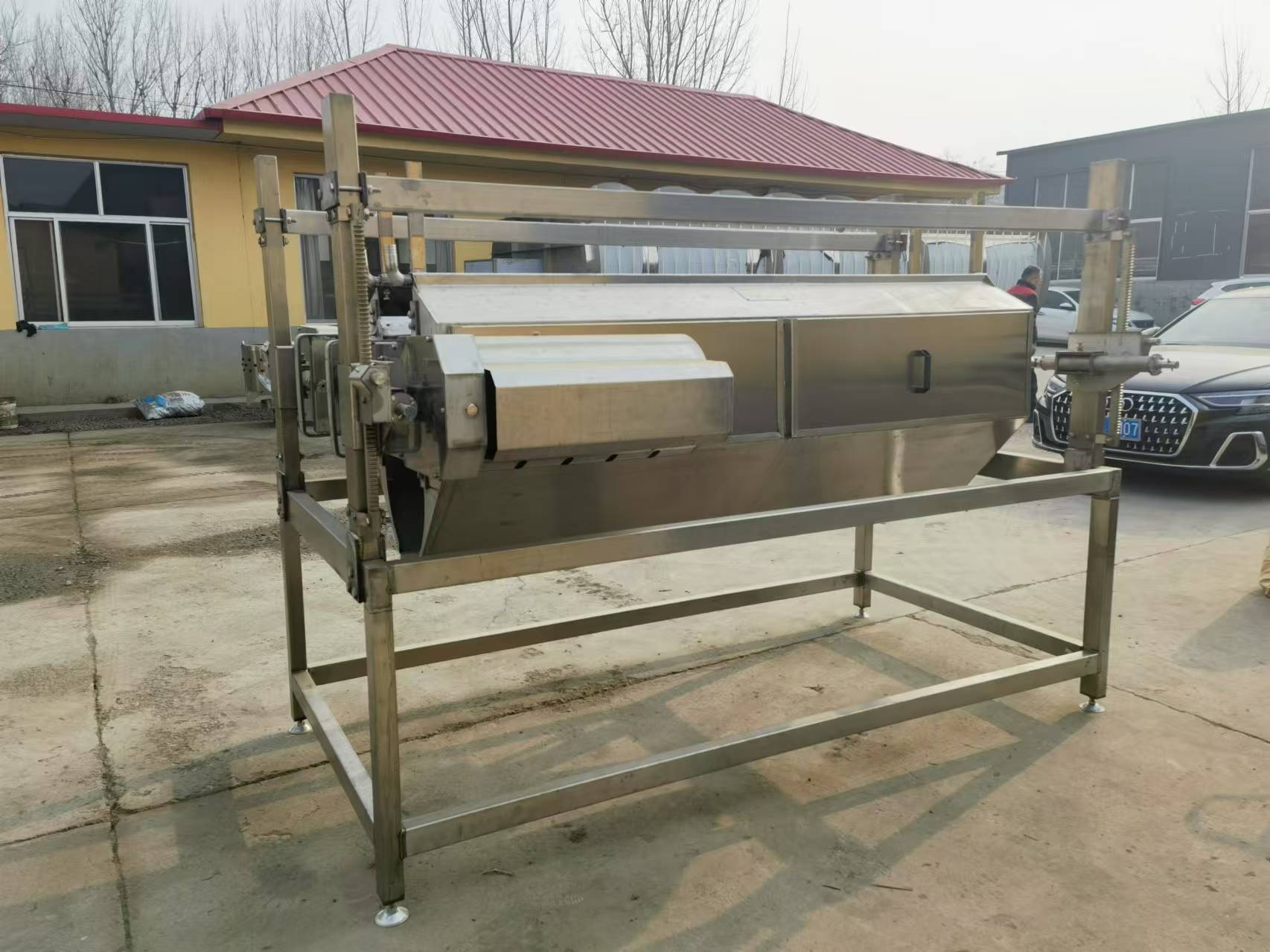
The pneumatic control circuit is crucial for precise operation of the equipment, consisting of air valves, hoses, and gun nozzles. When the operator inserts the gun nozzle into the chest cavity of a poultry bird and activates the pneumatic switch, the solenoid valve instantly opens, establishing a connection between the vacuum tank and the gun nozzle, thereby completing lung suction within 0.3 seconds. Take, for example, the equipment manufactured by Shangming Machinery in Zhucheng City: its three-position lung-suction gun assembly allows three workers to operate simultaneously, reducing the processing time per poultry bird to just 5 seconds—a productivity improvement of eight times compared to traditional manual methods.
Process Advantages and Production Efficiency
Compared to traditional manual evisceration methods, the vacuum lung extractor demonstrates significant advantages. In terms of hygiene standards, the equipment features a fully enclosed operation that effectively prevents direct contact between internal organ residues and operators, thereby reducing the risk of cross-contamination. Measured data from large-scale slaughterhouses show that after using this equipment, microbial indicators in the products decreased by 67%, meeting the hygiene standards required for export to the European Union.
The improvement in production efficiency is particularly striking. Take, for example, a processing line that handles 5,000 broiler chickens per day. Traditionally, manual evisceration would require 15 workers; however, by using a vacuum lung-extraction machine, only three workers are needed to achieve the same workload, reducing labor costs by 80%. Moreover, the equipment’s continuous-operation capability far surpasses that of human workers: under a 24-hour operation mode, it can process up to 20,000 chickens per day, fully meeting the capacity demands of large-scale slaughterhouses.
The durability of the equipment is also worthy of attention. The core component—the vacuum pump—features bearings imported from Germany, with a designed service life of up to 30,000 hours. Coupled with a stainless steel tank and food-grade silicone hoses, this equipment maintains stable performance even in humid environments. Real-world testing on equipment used continuously for five years by major domestic enterprises shows that the vacuum level degradation rate is less than 5%, and maintenance costs are only one-third of those for similar products.
### Operating Specifications and Maintenance Guidelines
Proper operating procedures are crucial for ensuring the equipment's performance. Before each use, check the oil level in the vacuum pump and make sure the liquid level is at the midpoint of the sight glass. After starting the pump, run it unloaded for 2 minutes, and only begin actual operations once the pressure has stabilized at -0.06 MPa. During operation, pay close attention to the angle at which the nozzle is positioned against the poultry’s chest cavity; the optimal adsorption angle is 45°, which can increase the success rate of adsorption by up to 30%.
Daily maintenance involves three key points: After finishing daily work, rinse the pipelines with clean water to prevent residual internal substances from causing blockages; check the oil-water separator weekly and promptly drain any condensed water; replace the vacuum pump filter element monthly to ensure smooth airflow.
### Application Scenarios and Market Development
The application scenarios of vacuum lung extractors have expanded from traditional slaughterhouses to areas such as central kitchens and pre-prepared meal processing. At a pre-prepared meal production base in Jiangsu, the equipment is linked with automated cutting lines, enabling full-process automation—from evisceration to cutting into pieces—thus reducing product wastage from 12% to 3%. For small poultry such as pigeons and quails, manufacturers have developed miniature lung-extraction nozzles with a minimum suction diameter of just 15 mm, perfectly meeting the demands of precision processing.
Market data shows that by 2025, the Chinese market for vacuum poultry evisceration machines has surpassed 230 million yuan, with an annual compound growth rate of 18%. As the "Regulations on the Management of Poultry Slaughter" tighten hygiene standards, equipment penetration is expected to rise from the current 45% to 72% by 2028. The direction of technological upgrades is focusing on intelligent control; some companies have already developed models equipped with pressure-adaptive adjustment functions that can automatically adjust suction parameters based on the size and shape of the poultry.
From manual labor to mechanical automation, the evolution of vacuum lung extractors reflects the upgrading trajectory of China’s food-processing equipment. This seemingly simple technological innovation actually embodies a profound transformation in production efficiency, hygiene standards, and labor costs, continuously propelling the poultry slaughter industry toward a higher-quality stage of development.
Key words:
Shandong Baowei Vacuum Lung Suction Device
Get Quote


Company Address:
Huangtuan Industrial Park, Renmin East Road, Zhucheng City, Shandong Province
Phone website