
Video of the Hubei Song Duck Conditioning Duck Production Line
- Commodity name: Video of the Hubei Song Duck Conditioning Duck Production Line
- Detailed description
-
# Video of the Northern Song Dynasty Duck Production Line: Unveiling the Modern Transformation of Traditional Braised Delicacies
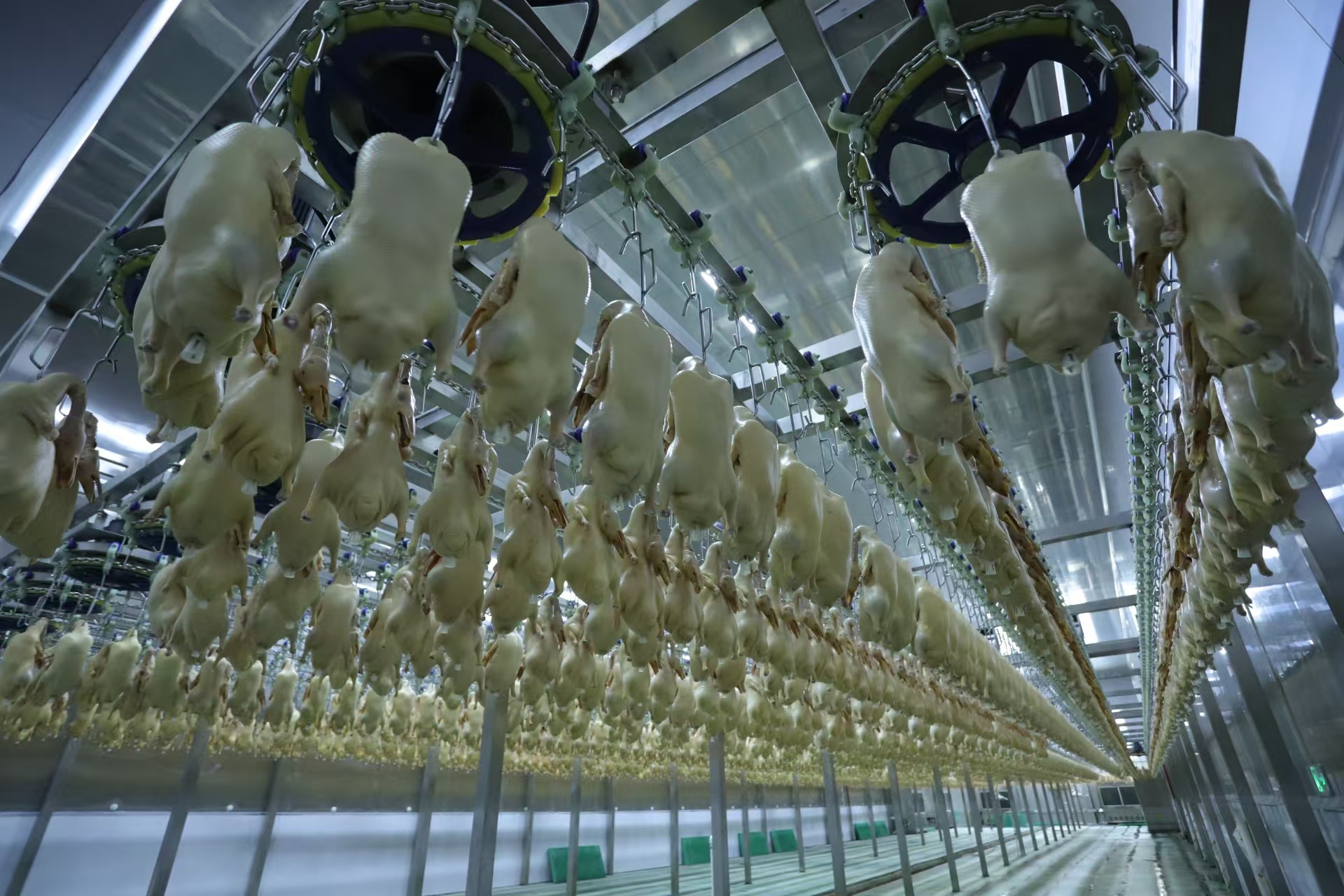
Deep in the remote mountains of Enshi, Hubei Province, on the assembly line of a standardized food factory, golden and crispy Song Ducks are undergoing a transformation—from raw ingredients to finished products at a rate of 30 ducks per minute. This “video showcasing the Hubei Song Duck production line,” which has sparked widespread discussion on short-video platforms, not only highlights the perfect fusion of traditional braised delicacies and modern manufacturing techniques but also reveals the secret behind how this local culinary specialty is making its way into national markets through industrialized production.
## A Panoramic View of the Production Line: A Precision Journey from Raw Materials to Finished Products
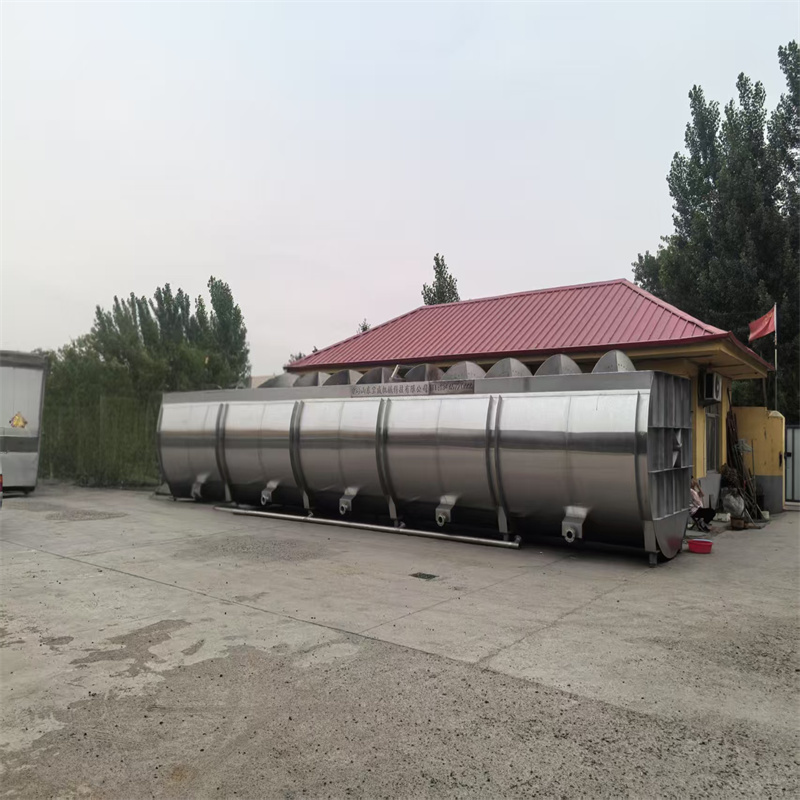
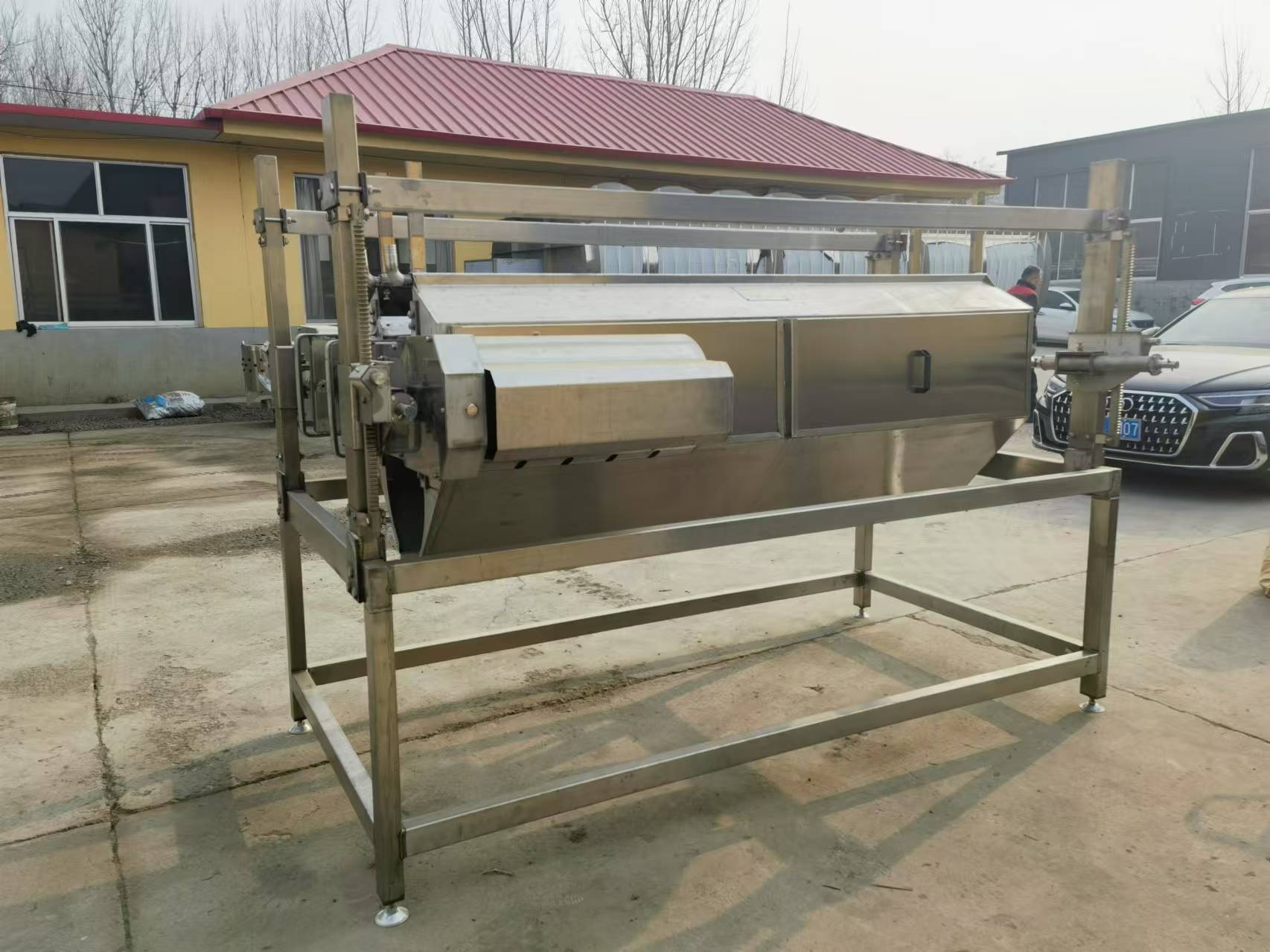
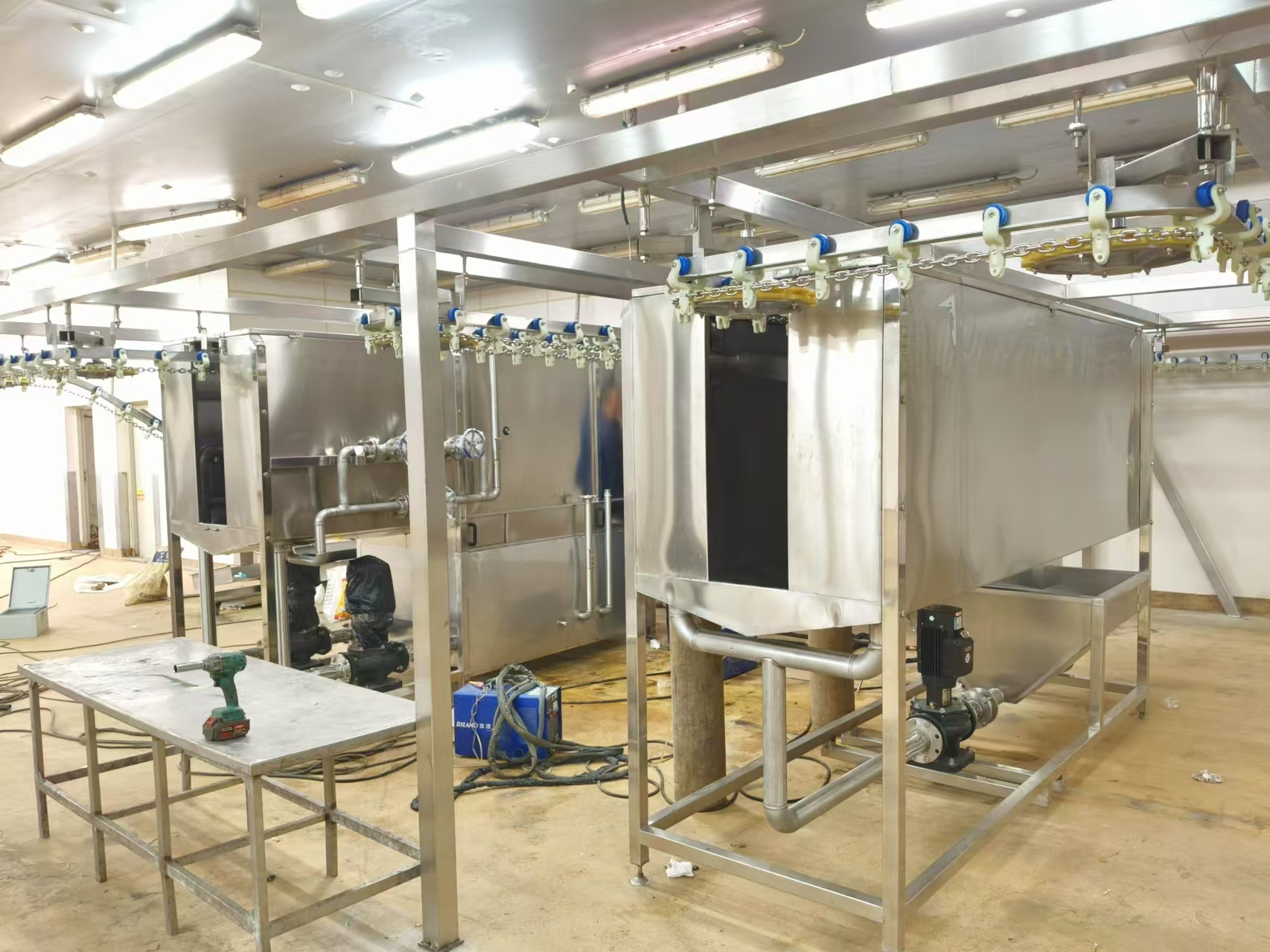
The video begins with a bird’s-eye view that showcases the layout of the entire production line: on the left is the refrigerated storage facility, which daily receives fresh ducks from local farms in Enshi; in the middle is the pre-processing area, where workers clad in sterile suits wash, pluck, and cut the ducks; and on the right is the core processing zone, where three large braising pots, each two meters in diameter, work in tandem with two intelligent frying machines.
“Our production line features a U-shaped design, ensuring that every stage is seamlessly connected,” the factory’s technical director explained in the video. The camera pans along with the perspective of a duck: After preliminary processing, the duck carcasses are picked up by robotic arms and placed onto a conveyor belt. They first enter a low-temperature marinating chamber, where they soak in a specially formulated sauce at a temperature between 0 and 4°C for 24 hours, allowing the flavors to deeply penetrate. Next, the ducks are transferred to a constant-temperature braising pot, where they tumble in an 85°C brine for 40 minutes, enabling the flavors of more than 20 spices—including Sichuan peppercorns, chili peppers, and star anise—to permeate layer by layer. Finally, the ducks are deep-fried at a high temperature of 180°C to set their shape and create the signature golden, crispy skin.
## Core Process Analysis: Three Stages Craft the Soulful Flavor
The video highlights Song Yazzi’s exclusive “marinate first, then braise, and finally deep-fry” process. During the marinating stage, a specially formulated sauce is precisely injected through pipelines, with the amount of sauce absorbed by each duck kept within an error margin of ±5 grams. In the braising process, an intelligent temperature-control system automatically adjusts the heat level based on the concentration of the braising broth, ensuring consistent flavor across every batch. For the deep-frying stage, a segmented temperature-control technique is employed: first, the meat juices are sealed at a low temperature of 150°C, and then the skin is crisped to perfection at a high temperature of 180°C.
“Traditional braised delicacies rely on the experience of master craftsmen, but we’ve achieved standardized production through industrial transformation,” explained the factory manager, pointing to the data panel on the monitoring screen. The screen displays in real time parameters such as the pH value, salinity, and temperature of the braising broth. If any of these indicators deviate from the standard values, the system immediately triggers an alarm and automatically makes adjustments. This “technology-plus-tradition” approach has enabled Song Ya Zi to maintain the authentic handcrafted flavor of its braised products while boosting daily output from the traditional 200 birds to 20,000.
## Quality Control: Full-Chain Traceability from Field to Tabletop
One detail in the video has sparked heated discussion among viewers: Each finished Song duck package is printed with a QR code. By scanning the code, consumers can not only check the production date and batch number but also trace back to the farm’s breeding records, the source of the feed, and even the temperature records of the transport vehicles. “We’ve established a full-chain traceability system—from farm to table,” said the Quality Director as he demonstrated the traceability process. “For example, the corn feed used for this batch of ducks comes from a local cooperative in Enshi, and the test report shows that the aflatoxin content is far below the national standard.”
During the laboratory phase, the video showcased a rigorous quality-control process: each batch of products undergoes 12 different tests, including microbial testing, heavy-metal detection, and sensory evaluation. Frying oil is changed every four hours, and waste oil is collected and processed by a specialized company. The packaging workshop adheres to a Class-100,000 cleanroom standard, and workers must pass through an air shower room to remove dust before entering. These measures have ensured that Song Yazizi has remained among the top three in the braised-food category on Douyin’s food rankings for 12 consecutive months, with a repurchase rate as high as 68%.
## Market Response: Modernizing Traditional Cuisine to Break Through Barriers
After being posted on Douyin, this production-line video quickly went viral, accumulating over 5 million views. In the comment section, some local residents from Enshi expressed delight, saying, “Finally, I can enjoy the taste of my childhood anytime!” Meanwhile, netizens from other regions commented, “It looks hygienic and reassuring—I’m placing an order right away!” Even more intriguingly, the video sparked a lively debate about whether industrialization might undermine traditional flavors. Ultimately, the discussion reached a consensus thanks to the firsthand testimony of an experienced master craftsman from the Song Ya Zi flagship store: “Machines ensure consistency; human hands bring soul—both are indispensable.”
Market data confirms the success of this integration: Since commencing production in 2024, Enshi Huangshanghuang Food Co., Ltd. has opened over 200 franchised stores nationwide. In 2025, its total sales exceeded 2 million units, with online channels accounting for 45% of the total. The company’s franchise recruitment manager revealed: “Many franchisees decided to partner with us after watching videos of our production line. What attracted them wasn’t just the product itself, but rather our demonstrated capability in standardization.”
## Looking Ahead: The Path of Technological Empowerment for Traditional Cuisine
At the end of the video, the camera pulls back to reveal the photovoltaic panels on the factory’s rooftop—this factory, which consumes 3 million kilowatt-hours of electricity annually, has achieved 60% energy self-sufficiency through solar power generation. The technical director revealed that the next phase will involve the introduction of an AI-powered visual inspection system, which will use cameras to analyze in real time the degree of doneness of the fried ducks, further reducing human error. At the same time, a low-temperature freshness-locking technology is being developed, enabling Song Duck products to be transported via cold-chain logistics to even more distant markets.
From mountain-side workshops to smart factories, the transformation of Hubei Song Yazizi vividly illustrates a truth: The preservation of traditional cuisine lies not in clinging rigidly to its form, but in safeguarding the soul of its flavor. When modern technology lends this soul a standardized coat, it gains wings to soar into broader horizons. As one highly praised comment in the video’s comment section put it: “So it turns out that tradition and modernity can coexist so deliciously.”
Key words:
Video of the Hubei Song Duck Conditioning Duck Production Line
Get Quote


Company Address:
Huangtuan Industrial Park, Renmin East Road, Zhucheng City, Shandong Province
Phone website